
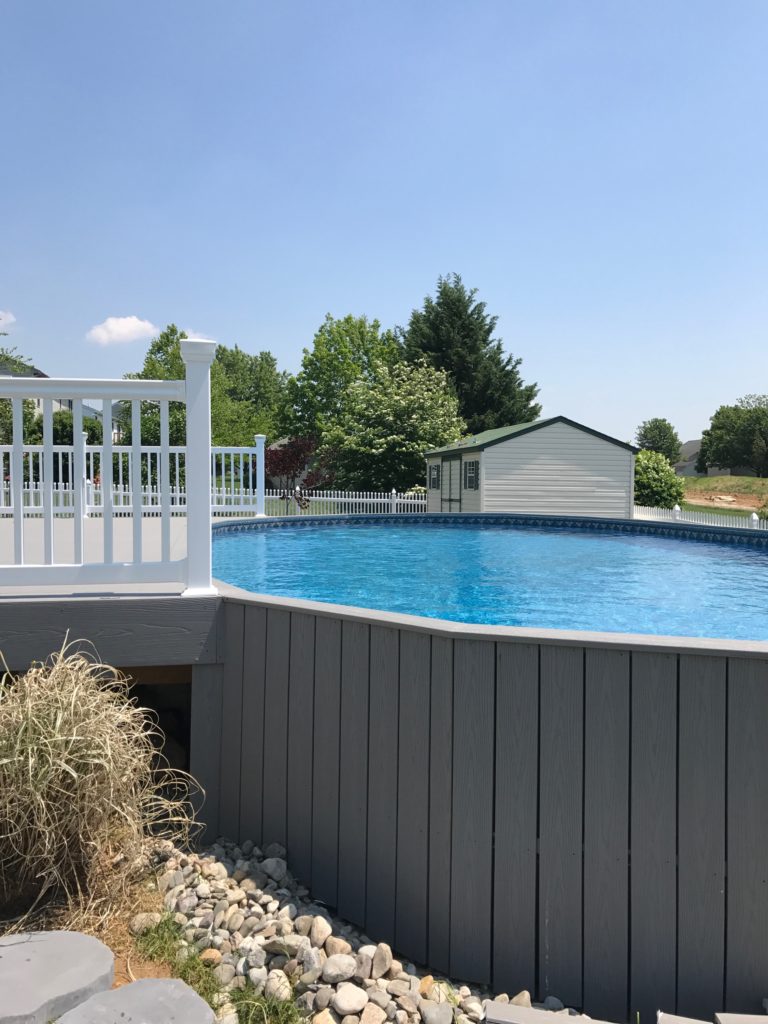
Before you dive into the swimming season, a few checks are in order. Look for the usual suspects: torn covers, water that’s out of whack, equipment showing its age, and any leaks that might be lurking. Addressing these problems early on can save you a bundle in repairs, get your pool up and running faster, and make sure it’s safe, sparkling, and ready for fun right from the start.
You pull back the pool cover.
And for a second… you hold your breath. Will it be clear and ready, or cloudy, green, and full of surprises?
Here’s the truth most pool owners don’t talk about. What you don’t check before opening your pool is what usually costs you the most.
Let’s walk through what to look for so you can open your pool with confidence this season.
1. Start With Your Pool Cover (It Tells You a Lot)
Your pool cover went through months of weather, wind, and debris.
Take a close look before removing it:
- Is it torn or sagging?
- Has water pooled on top?
- Is there debris that may fall into the pool?
A damaged or dirty cover can instantly turn a clean pool into a mess.
Pro tip: Remove and clean your cover carefully so you don’t undo months of protection in minutes.
2. Inspect the water first.
Before you do anything, before you even think about adding chemicals or turning on the equipment, take a good look at the water.
The water’s look can range from crystal clear to cloudy, or even a shade of green.
Are there any indications of debris or algae?
Did the water level go down?
These observations provide a glimpse into your pool’s condition as winter approaches, along with the steps required to get it ready for the season ahead.
Omitting this step often leads to a series of chemical corrections later.
3. Inspect Your Equipment (This Is Where Costs Add Up Fast)
Your pool equipment has been sitting idle for months.
It’s time to take a look at a few things:
- The pump and motor.
- The filter system.
- The heater, if you have one.
- Hoses and all the connections.
Keep an eye out for cracks, leaks, or anything that seems wrong..
A small problem, if ignored, could easily become a much more expensive one to repair later.
4. Spotting Leaks and Damage You Might Not See Right Away
Frequently, the issues remain obscured.
Take a walk around your pool and look for: anything amiss, like wrinkles or rips, on the walls or the liner.
Are there any nearby areas that are wet?
Are there any disconnected links?
Water can disappear in ways other than simply evaporating. Catching a leak early can save you a lot of time and money.
5. Balance Your Water the Right Way (Not the Fast Way)
It’s tempting to just “throw chemicals at it” and hope for the best. But balanced water is what keeps your pool:
- Safe for swimming
- Comfortable on skin and eyes
- Protected from long-term damage
Test and adjust step by step instead of rushing the process.
6. Don’t Forget Safety (Especially for your family)
Before your first swim, take a moment to check that ladders and railings are secure, pool covers are fully removed and stored safely, and gates or barriers are working properly.
A quick safety check now gives you peace of mind all season long. Opening your pool isn’t just about getting it running, it’s about making sure nothing was damaged while it sat.
Because the biggest problems usually show up after you turn everything on.
Want to skip the guesswork this year?
That’s where having the right team makes all the difference.
Instead of wondering what you might be missing, you can have your pool opened the right way from the start.
FAQs About Pool Opening
When should I open my pool in Pennsylvania?
Most homeowners open their pools in early to mid spring when temperatures consistently stay above 60 degrees. Opening early helps prevent algae growth and makes maintenance easier.
What happens if I wait too long to open my pool?
Waiting too long can lead to algae blooms, cloudy water, and more time and chemicals needed to restore your pool.
Can I open my pool myself?
You can, but missing small steps can lead to bigger issues. Many homeowners choose professional pool opening services to avoid costly mistakes.
How long does it take to open a pool?
Getting a pool ready for use usually takes a few hours of effort. But, getting the water perfectly balanced and giving everything a deep clean can easily stretch out over a few days.